Company
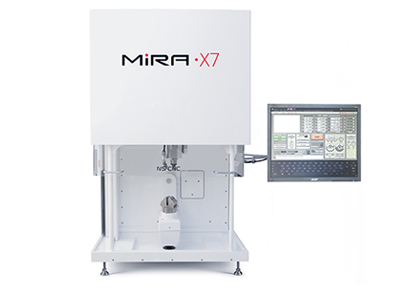
NS CNC machines hold an established place in the family of micro-milling machines, and micro-milling remains an essential manufacturing technology.
It is a fair question why micro-milling is still needed when manufacturers can choose from laser machining, electrical discharge machining (EDM), lithography, 3D printing, and more.
Each of those technologies has its own advantages and limits. A laser cuts exceptionally cleanly, sometimes more precisely than a milling cutter, but it generates heat that can alter the metallurgical properties of the material. For many applications that thermal effect is unacceptable.
In those cases, cutting the material away remains the best solution, and the question becomes which micro-milling machine and which cutting tools suit the material and the precision required.
Three main areas of application are outlined below. Beyond them, owners put these machines to work in other, sometimes surprising, corners of science and technology.
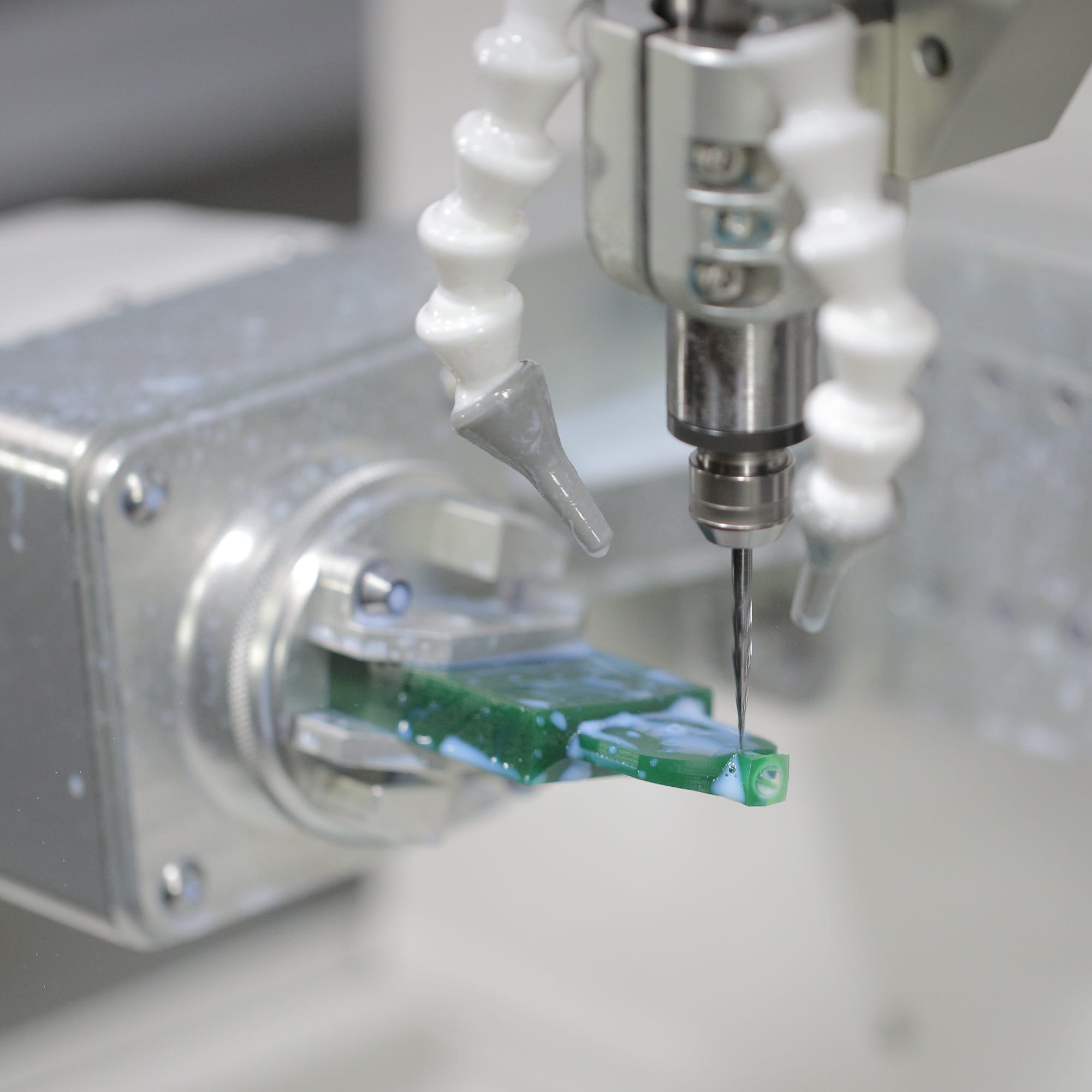
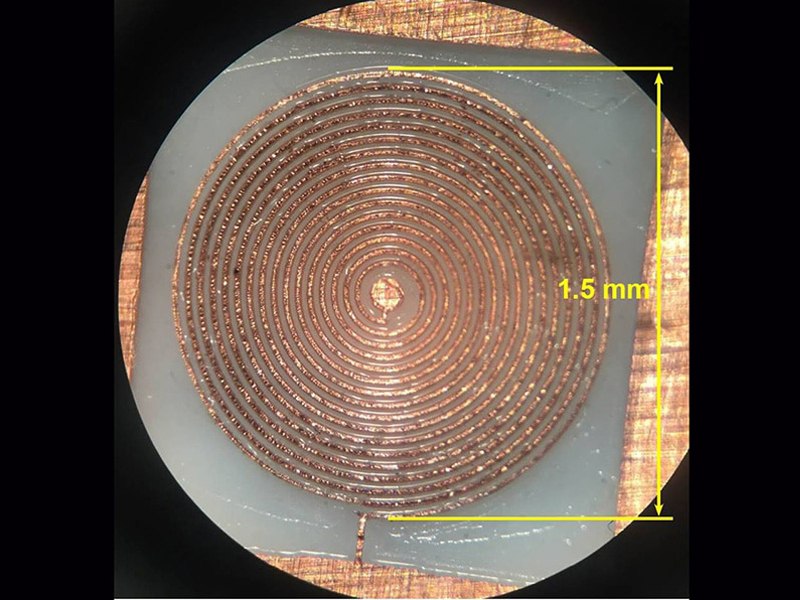
NS CNC machines operate in university and industrial laboratories fabricating components that require sustained positional accuracy across long programs: NMR microcoils, microfluidic chips, solenoids, resonators, and miniature sensors. The work spans biology, chemistry, electronics, and physics.
At the University of Toronto, the Simpson Research Group has milled 16-turn spiral coils with 0.02 mm trace widths and 50 µm inter-wire spacing from copper-coated Teflon on Mira and Elara machines since 2017. At VUB Belgium, an Elara is used as a fast-prototyping tool for microfluidic chips on an ESA-sponsored International Space Station project. The full page documents the parts, the researchers, and the published work.
Micromachining - laboratories, parts, and publications →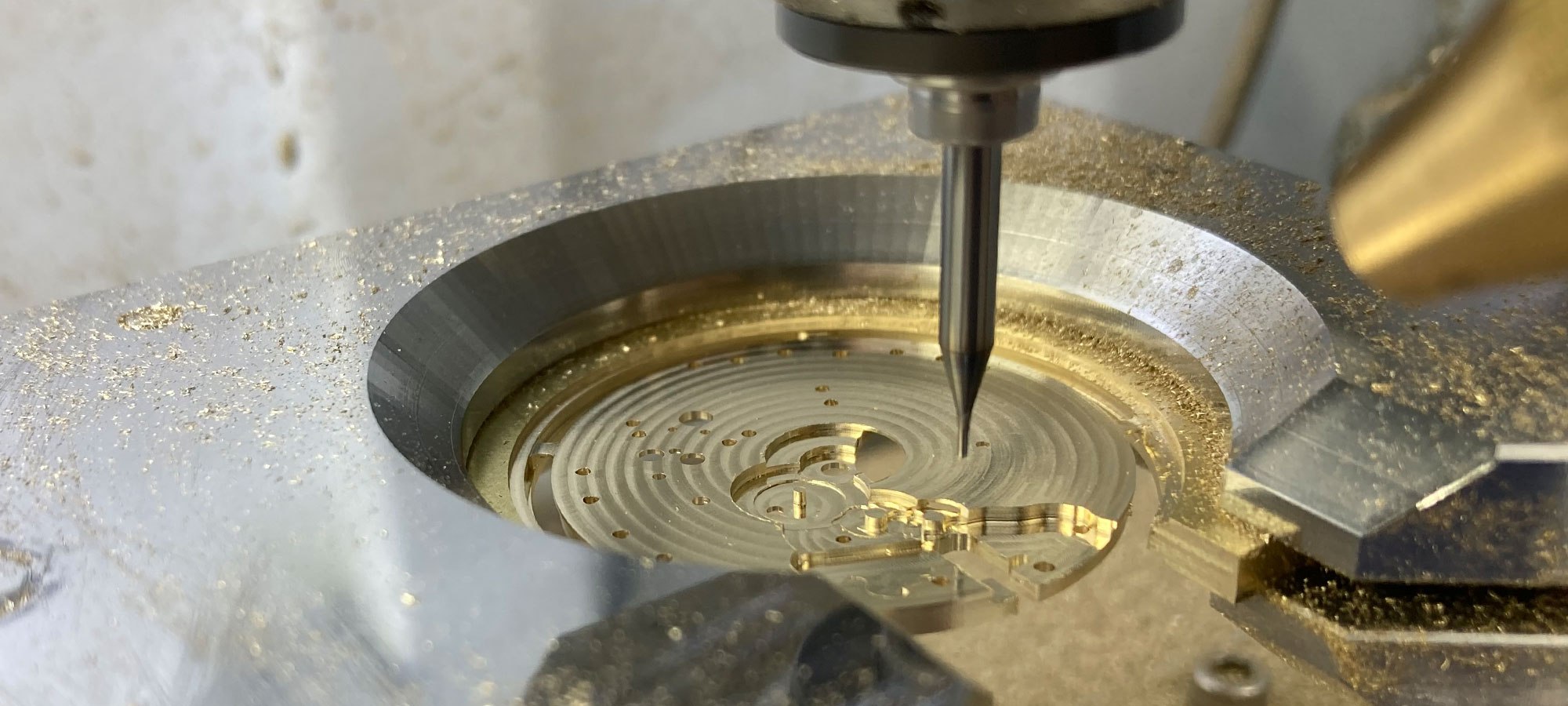
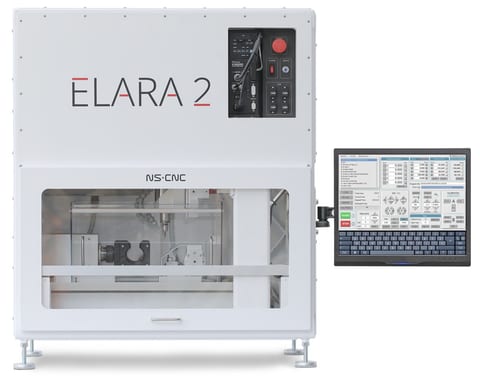
The Elara 2 is used by independent watchmakers and manufacturers to machine movement plates, wheel trains, cases, bracelets, and custom fixtures from brass, gold, titanium, and stainless steel.
Roysdon Watch Co. verified the wheel-arbor hole placement on a Keyence CMM: the Elara hit 3.6230 mm, the correct dimension; a less precise CNC produced 3.6074 mm - an error of 0.0156 mm that is unacceptable in watchmaking. The same customer used the Elara to machine a 78-component perpetual calendar prototype and a 4th-axis bracelet link fixture that took two months to design and over 100 hours to machine.
Watchmaking - components, CMM verification, and case studies →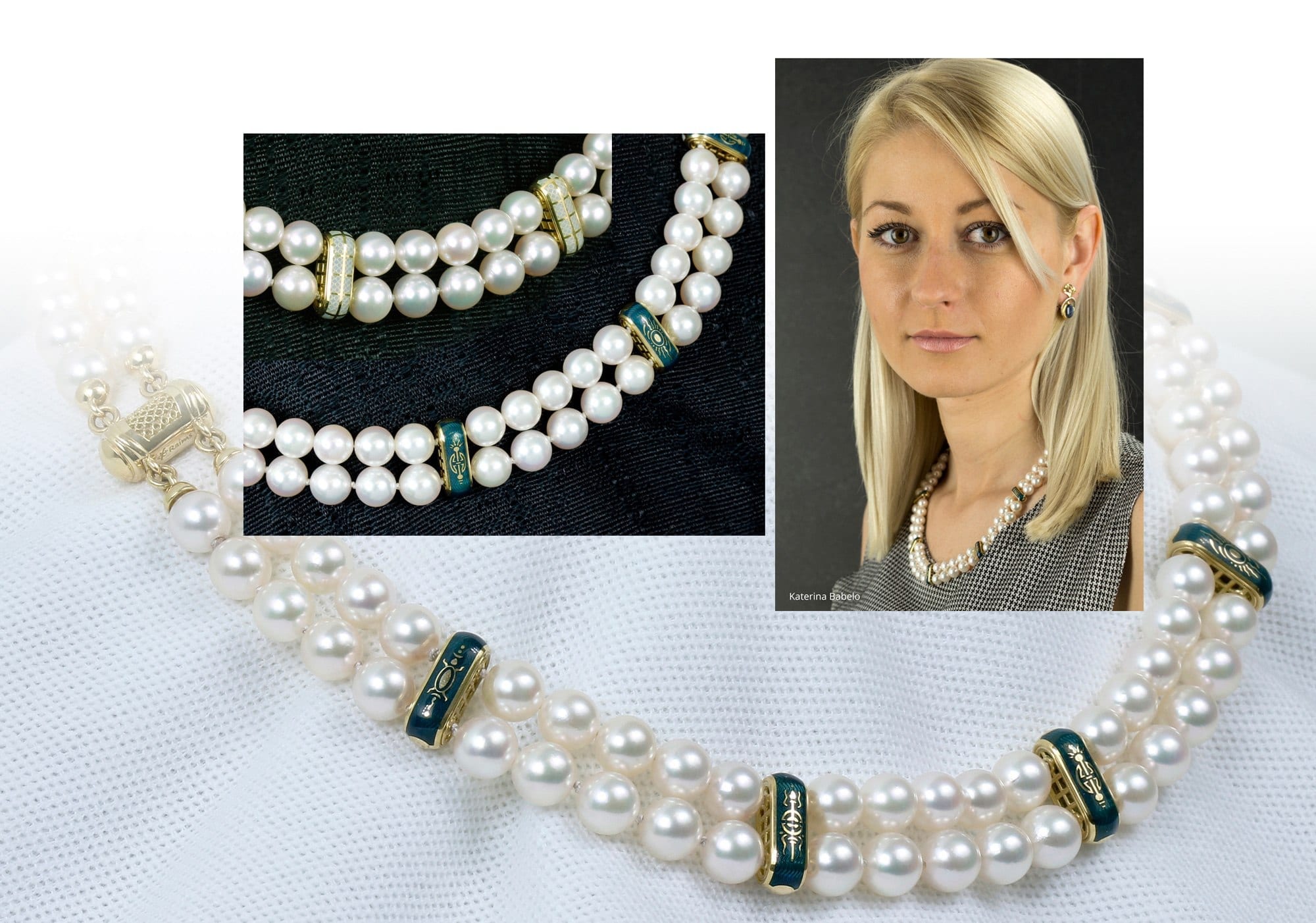
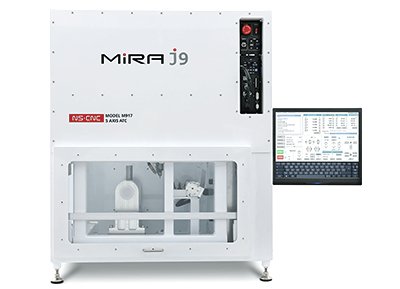
The Mira6 mills jewelry wax at 0.3-micron resolution; the wax models come off the machine fine enough to invest and cast without hand-finishing the wax first. JewelryCAM - the 5-axis CAM plugin included with every Mira6 - calculates the full toolpath from the Rhino model without manual G-code entry, with the operator orienting the model and choosing the cutting strategy.
The workflow is documented end to end with an original necklace by Raims: design in Rhino 3D, toolpath generation in JewelryCAM, milling from green casting wax on the Mira6, investment casting in gold, and finishing. The full page walks through all five stages with photographs of each step.
Jewelry workflow - five stages, documented with an original piece →Tell us what you need to fabricate - material, geometry, tolerances. We will confirm which machine fits, how we would run it, and what it costs.
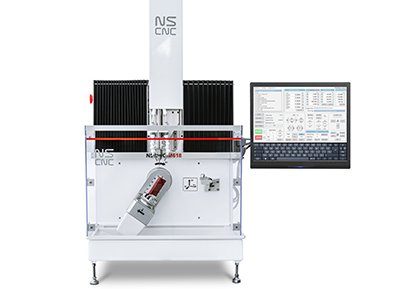
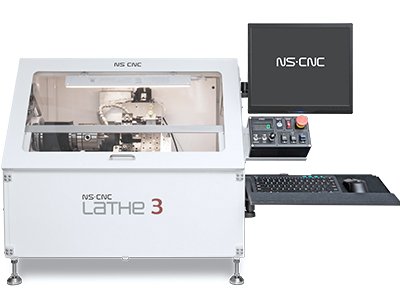
Four machines - two 5-axis mills, a 3 & 4-axis mill, and a 3-axis lathe - plus carbide tooling and CAM software.
Machining demonstrations across NS CNC machines - milling, turning, and finished parts on camera.