Company
If you need to machine microscopic components with sub-micron precision, our NS CNC machines are designed for the task. Companies around the world have been using them for more than a quarter of a century, including manufacturing companies, research laboratories, and universities.
On this page, we showcase just a few examples and highlight a small selection of our machine users. In reality, there are hundreds of NS CNC machines in operation worldwide. They are used to machine a remarkable variety of materials - from modeling wax to some of the hardest metals and stones.
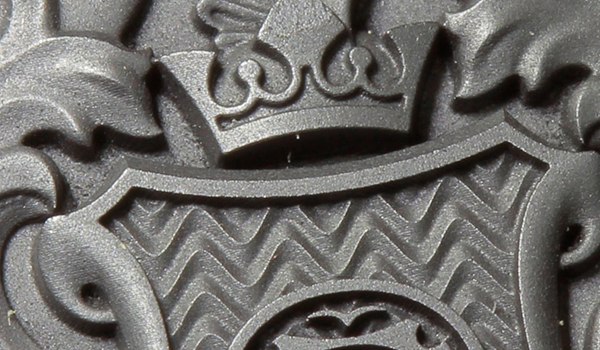
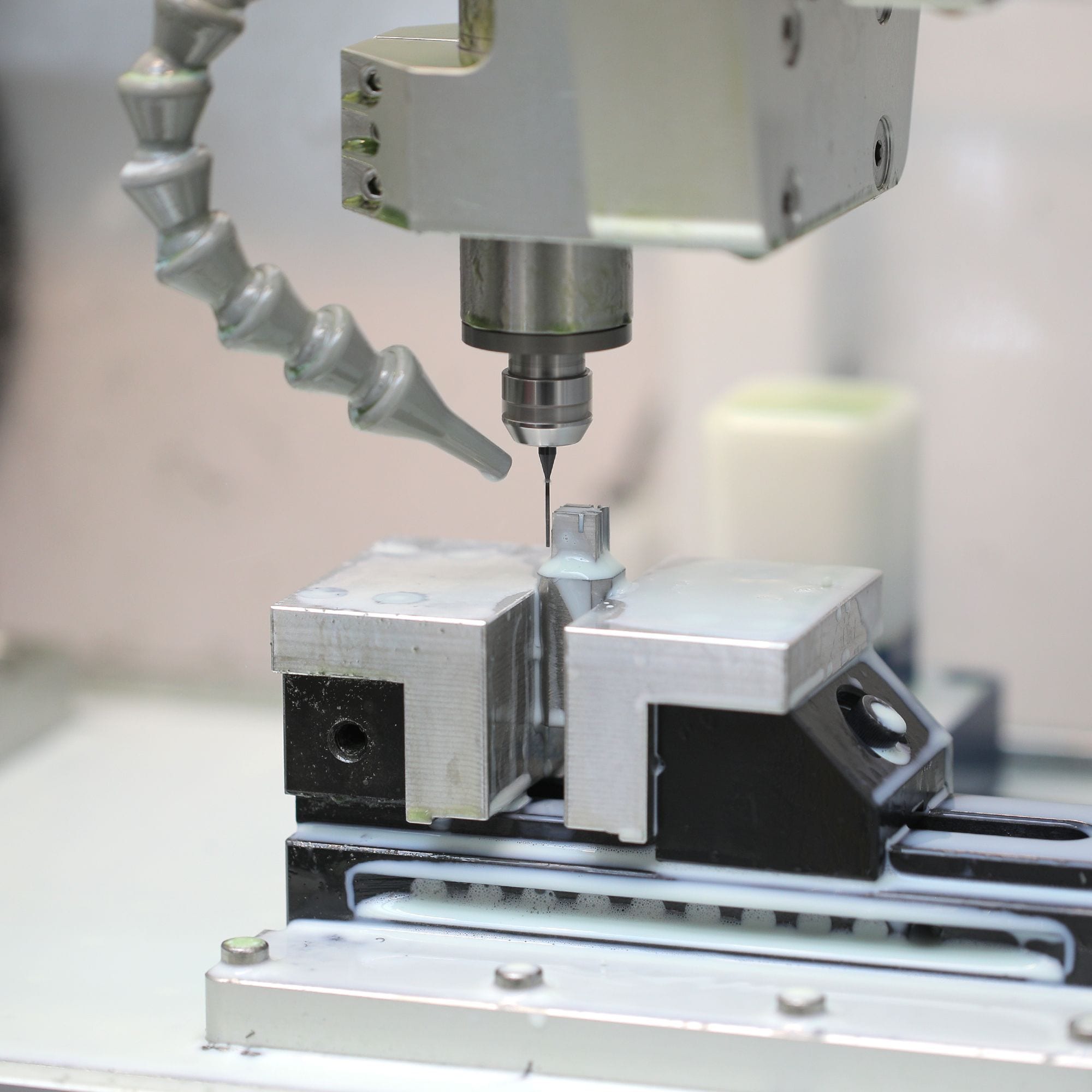
This example demonstrates deep micro-milling of a very hard metal using a 0.8 mm-diameter carbide end mill with an 11 mm cutting length. The machining strategy employs controlled, incremental step-downs to progressively achieve the required depth while maintaining tool stability and minimizing cutting forces.
The spindle operates at 60,000 rpm, with ample coolant continuously applied to control heat generation and maintain stable cutting conditions throughout the operation.
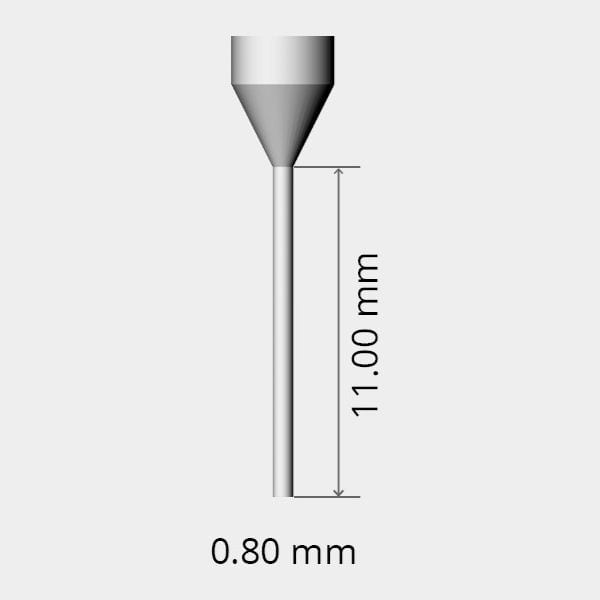
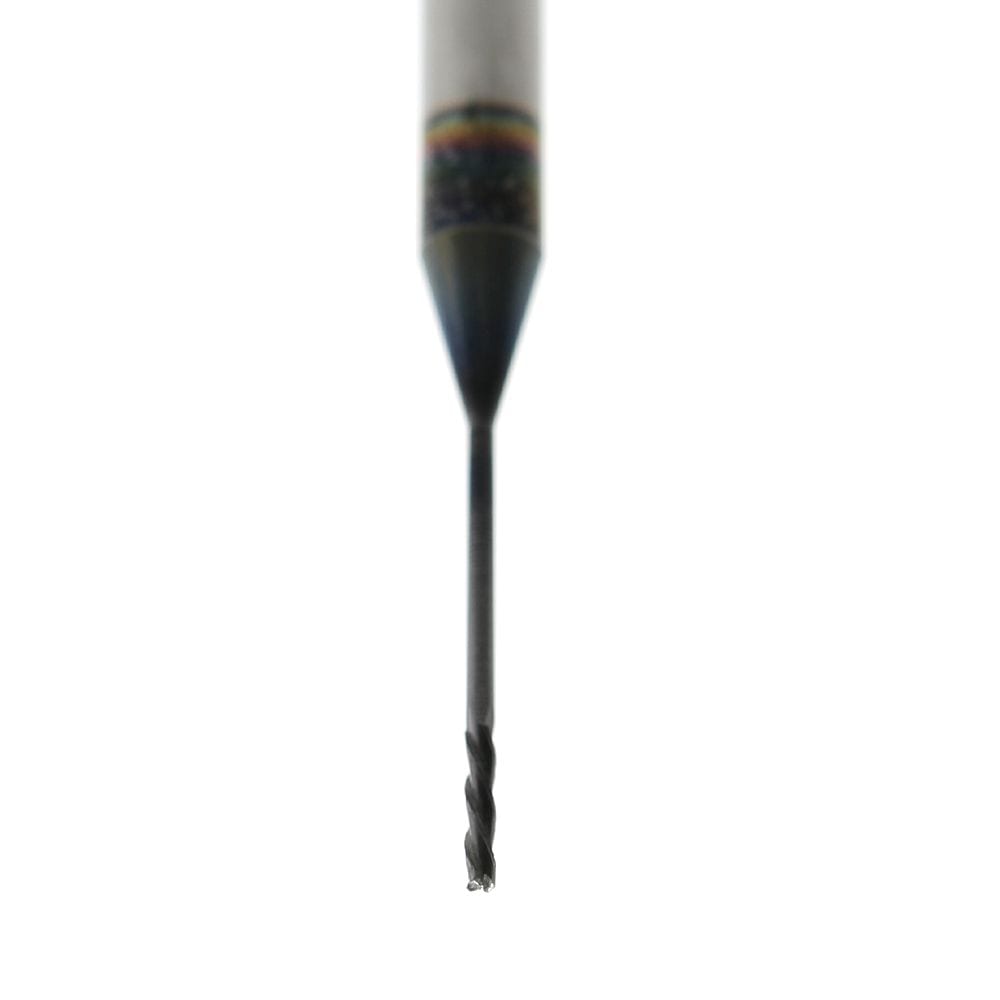
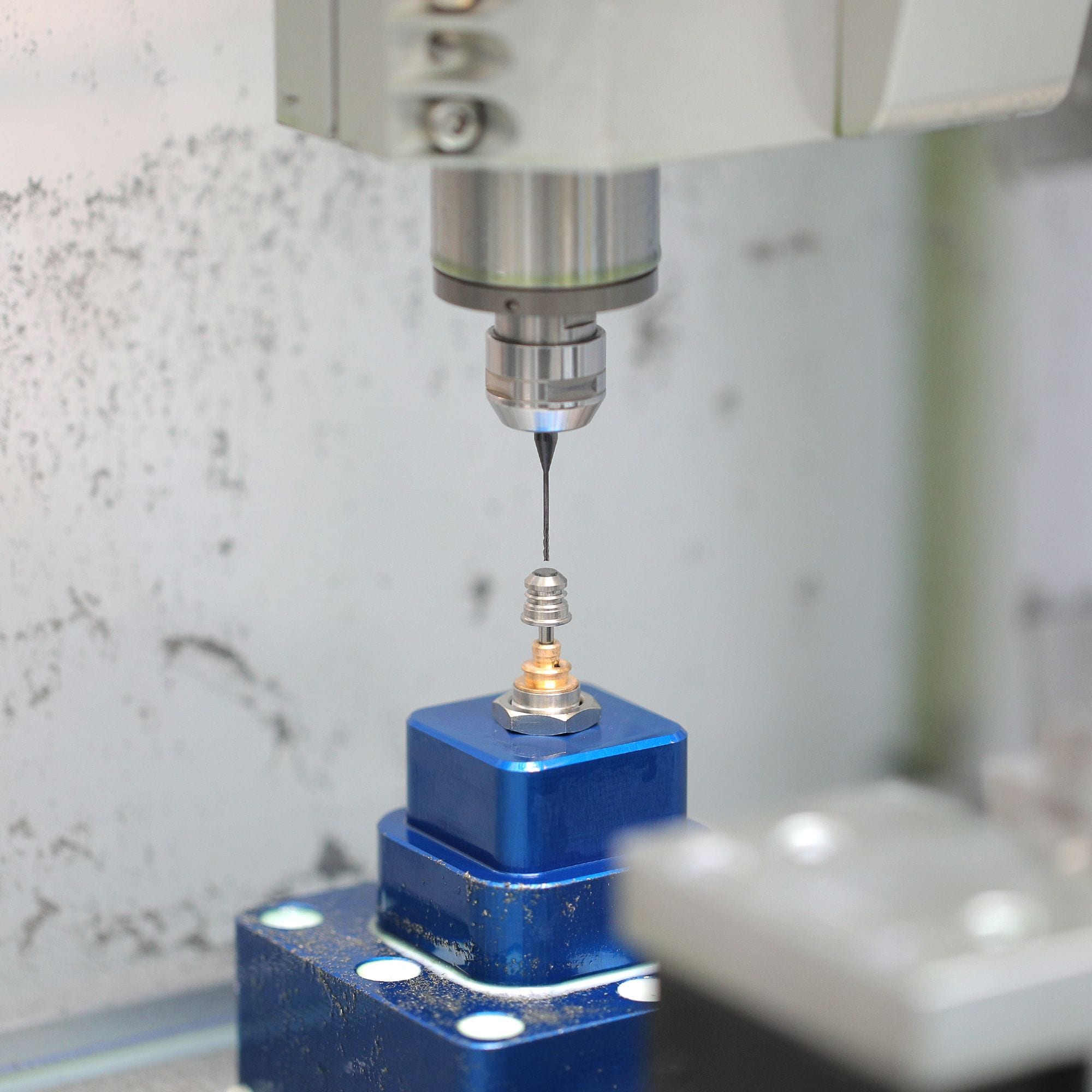
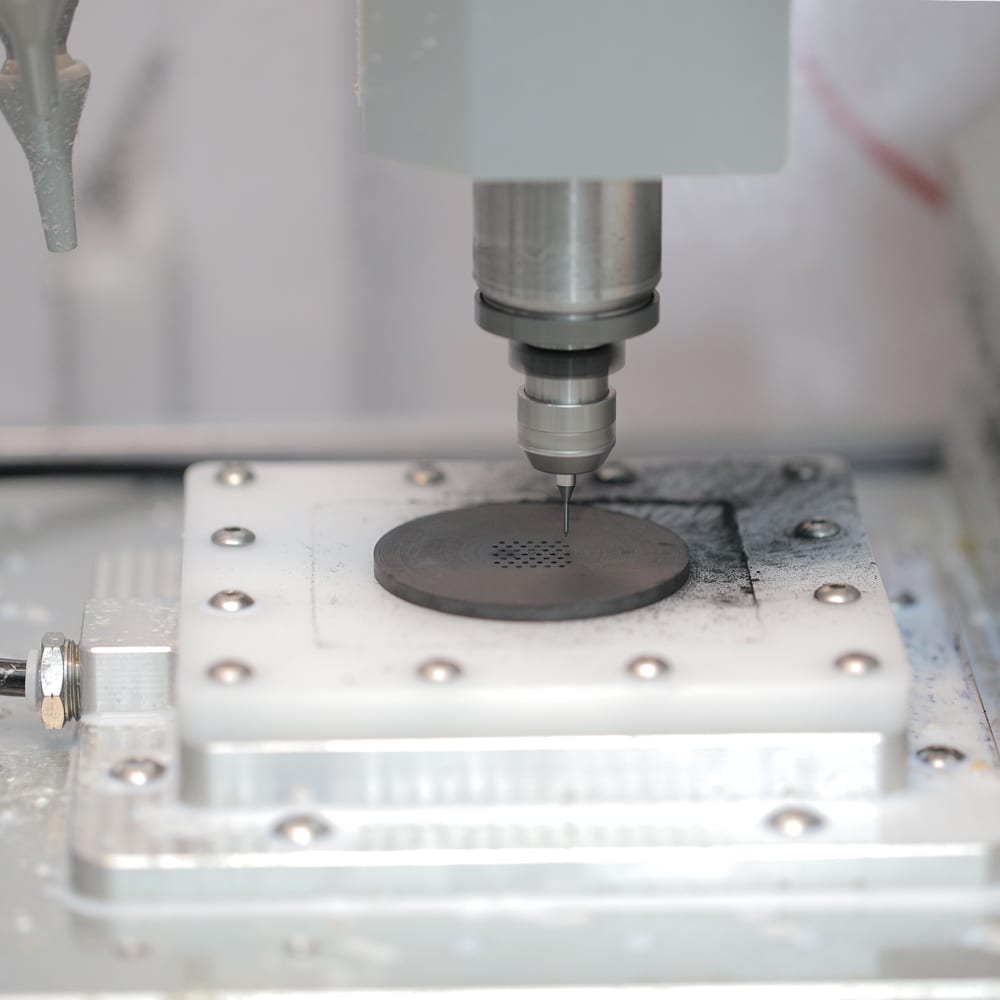
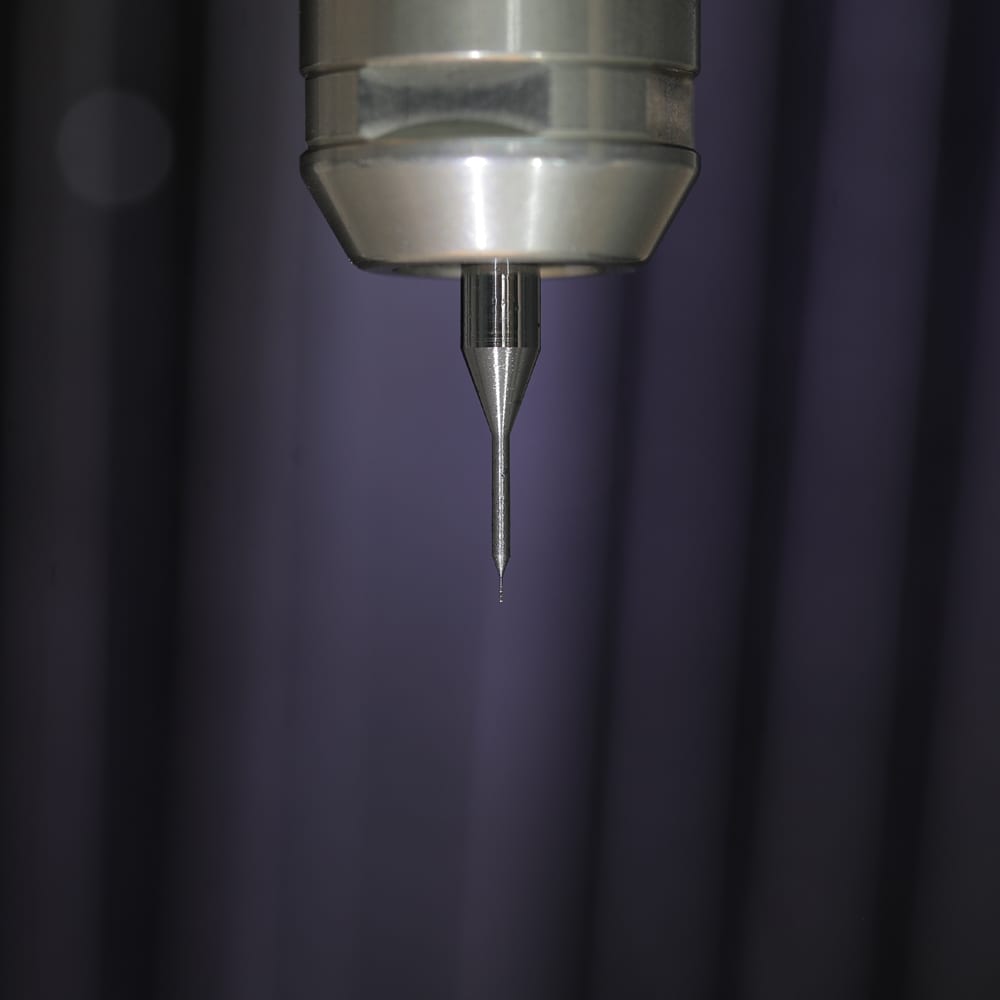
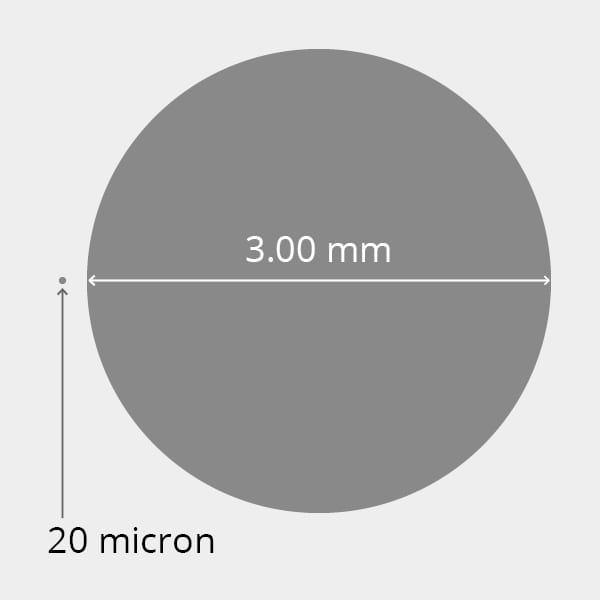
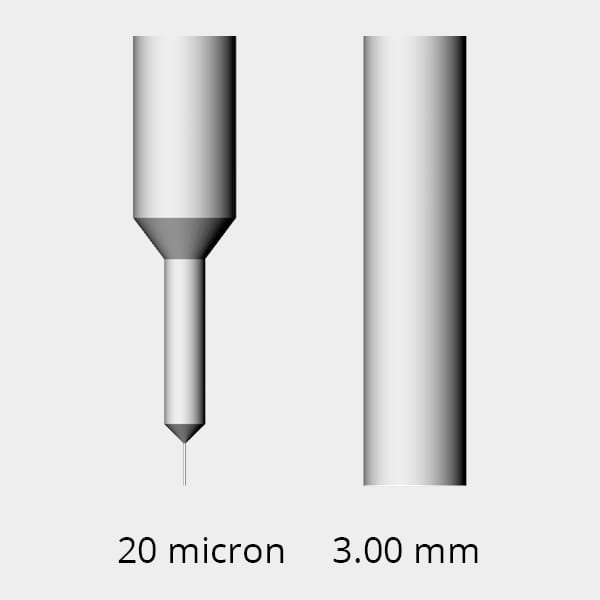
This example demonstrates precision micro-drilling of graphite using NS CNC Elara 2 to produce 20 µm-diameter holes. The holes are machined using a stepped, ultra-high-precision drill featuring a 3.175 mm (1/8") shank and a 20 µm-diameter cutting tip. The accompanying diagram illustrates the significant scale difference between the shank and the micro-scale cutting tip.
The graphite workpiece is secured using a custom-designed vacuum holder, providing rigid, low-profile fixturing while minimizing mechanical interference with the machining zone. The spindle operates at 60,000 rpm during the drilling operation.
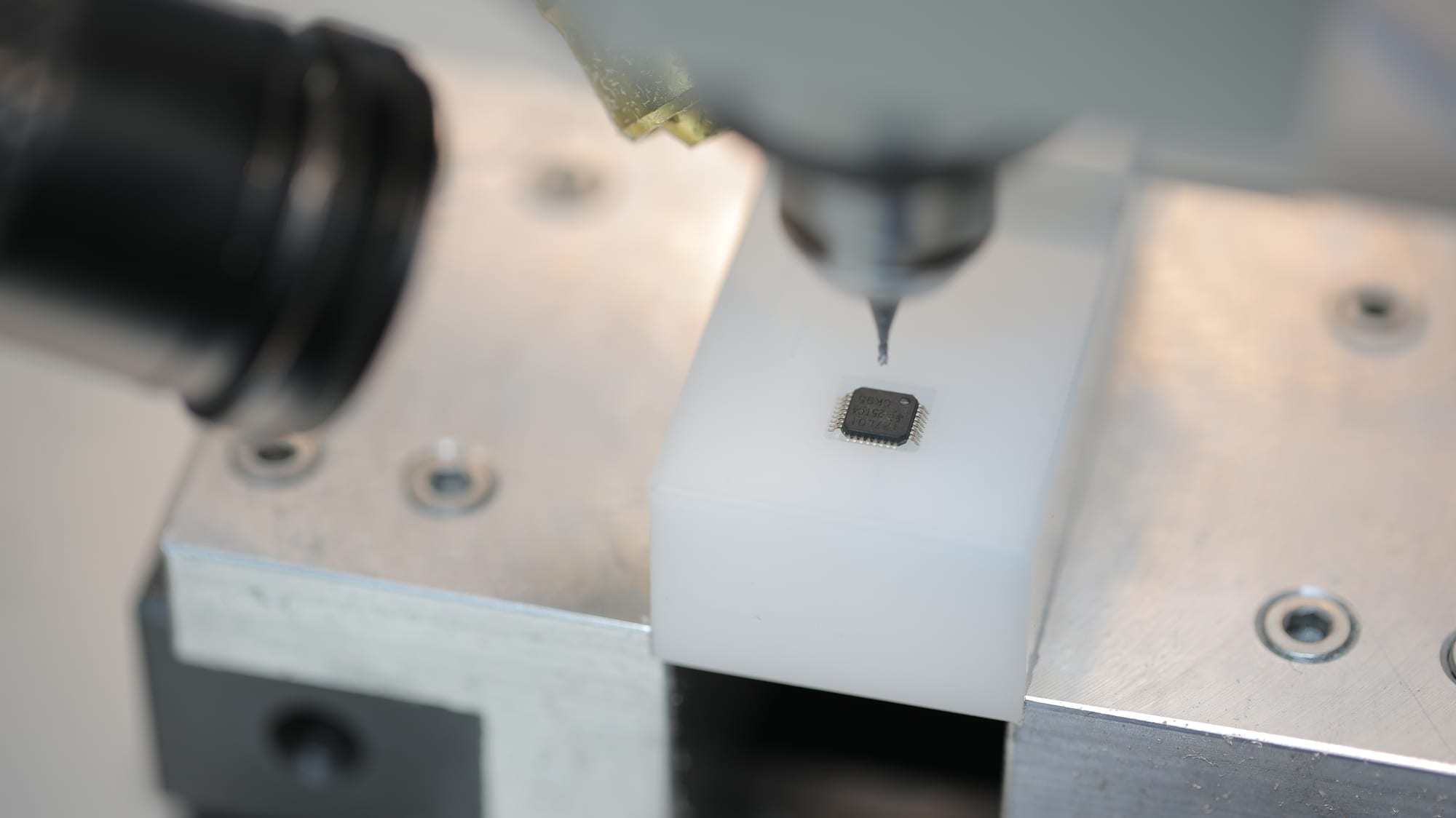
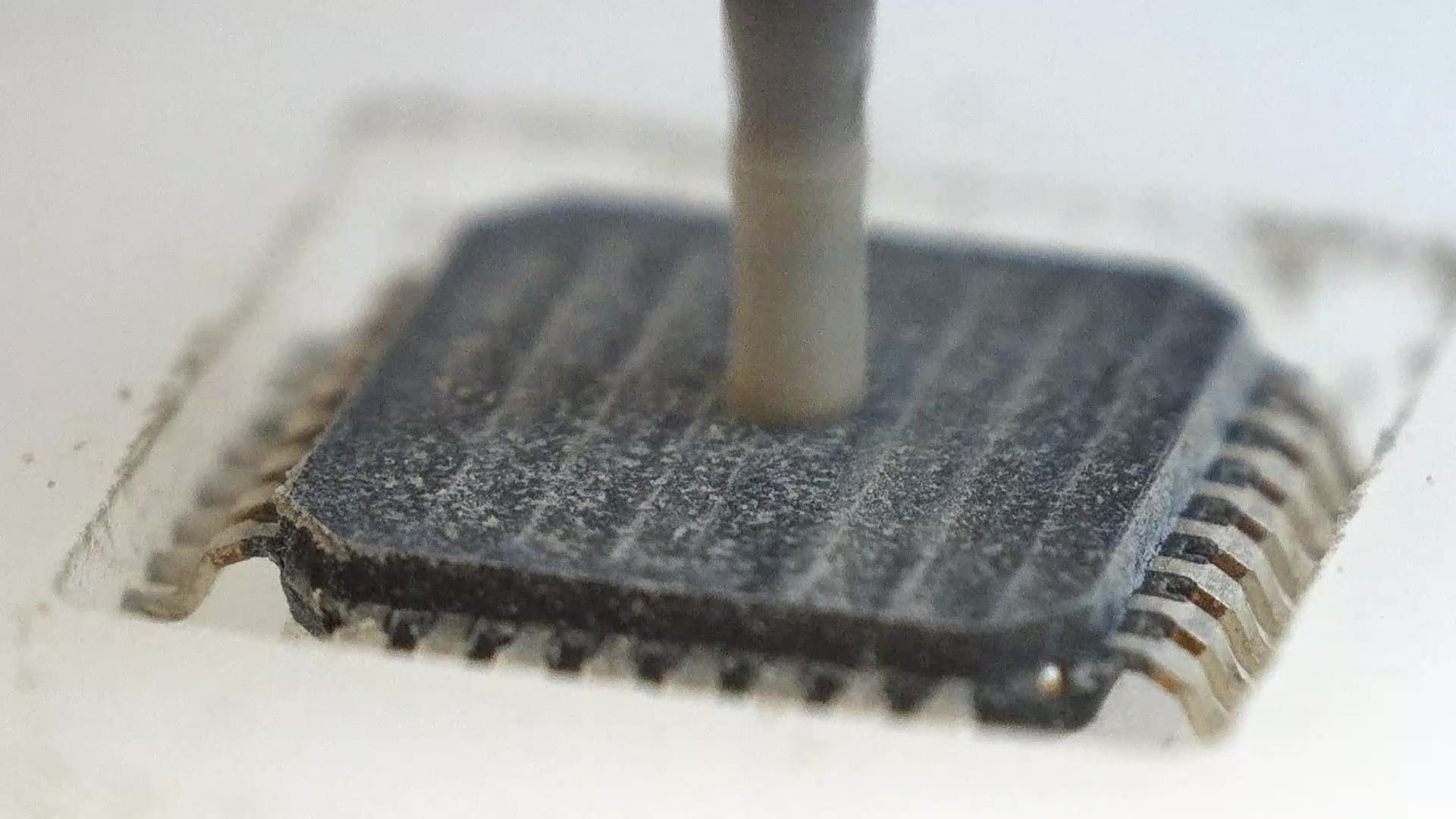
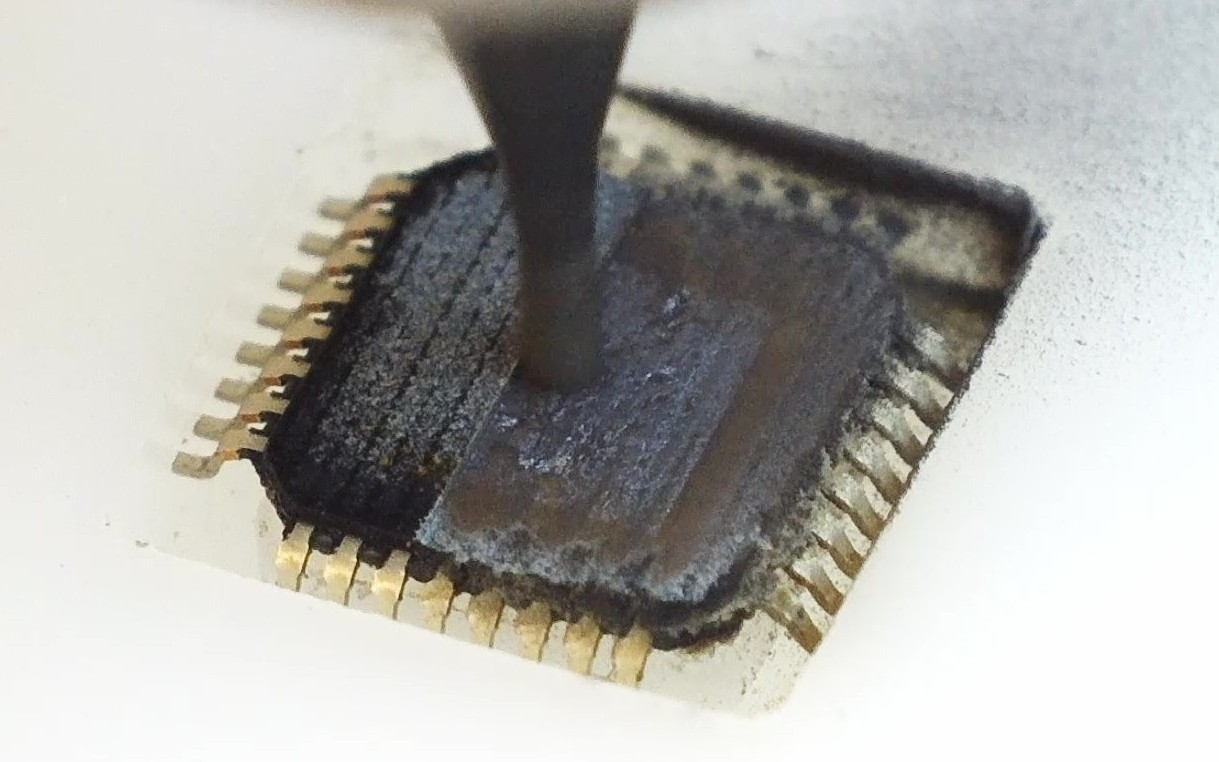
NS CNC machines are widely used by research laboratories for the analysis and testing of microchips. This process involves the layer-by-layer removal of material from a microchip using milling or grinding. The microchip is securely held in a custom micro-vacuum fixture, while various types of precision cutting tools are used for milling.
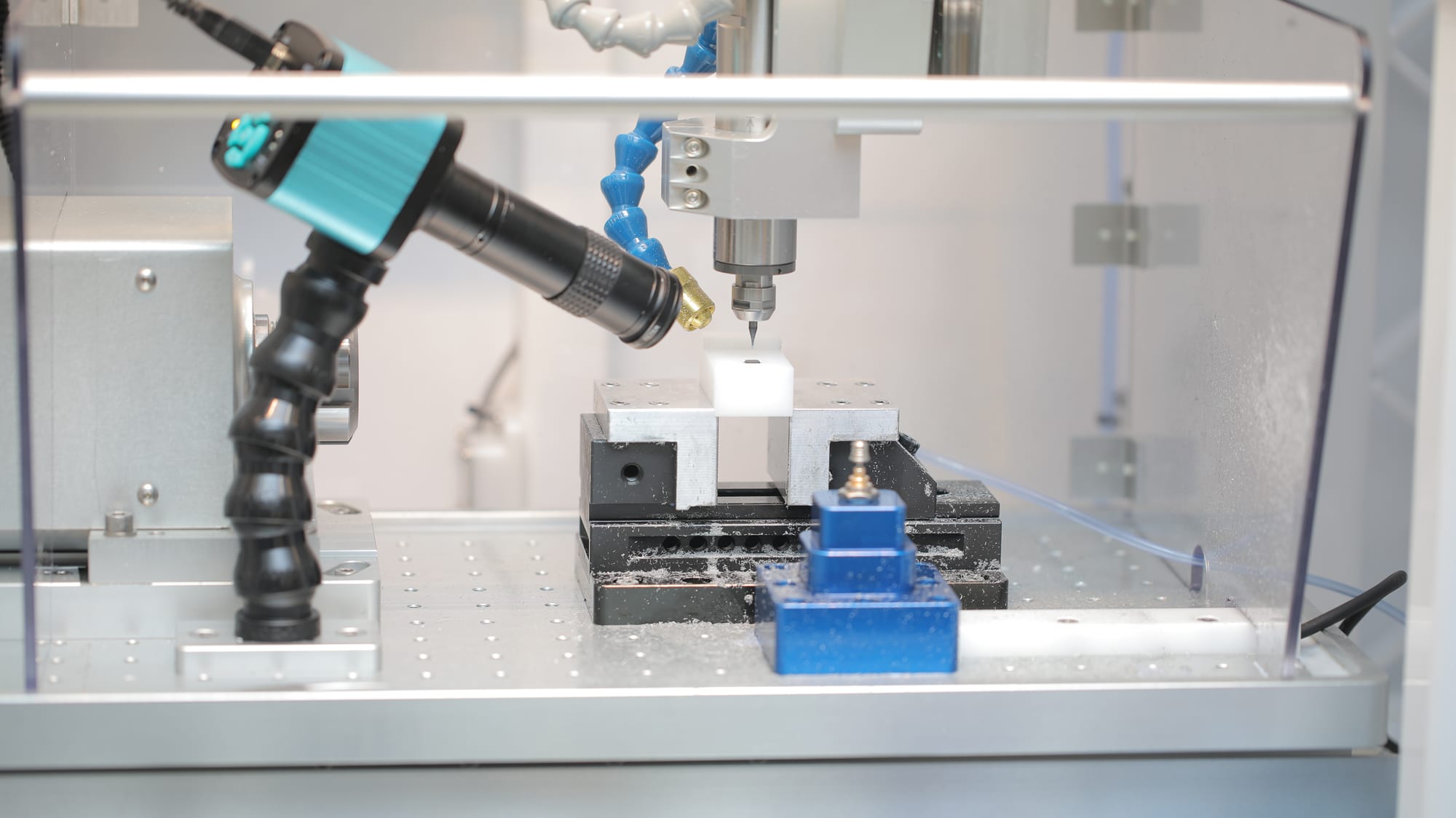
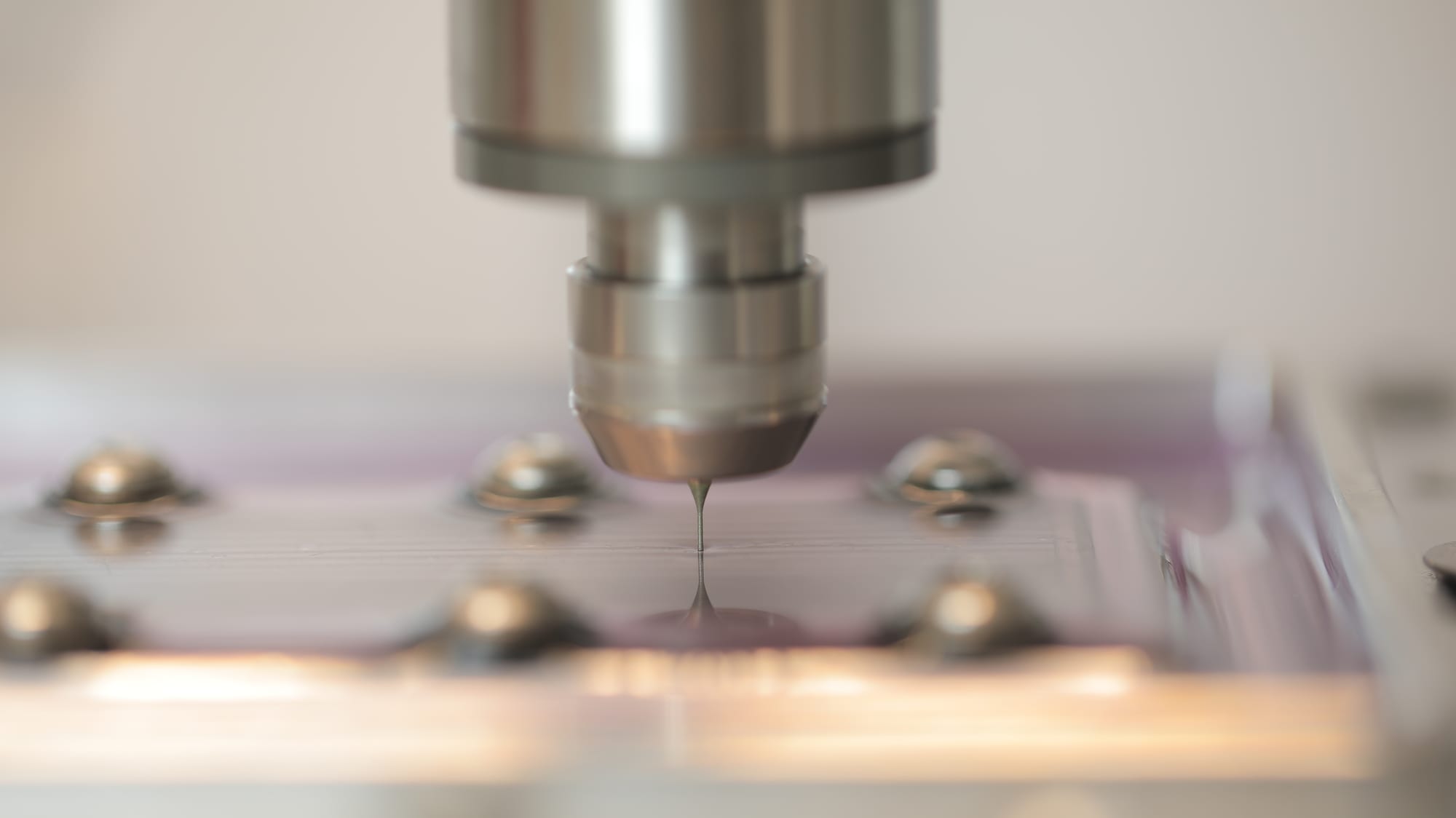
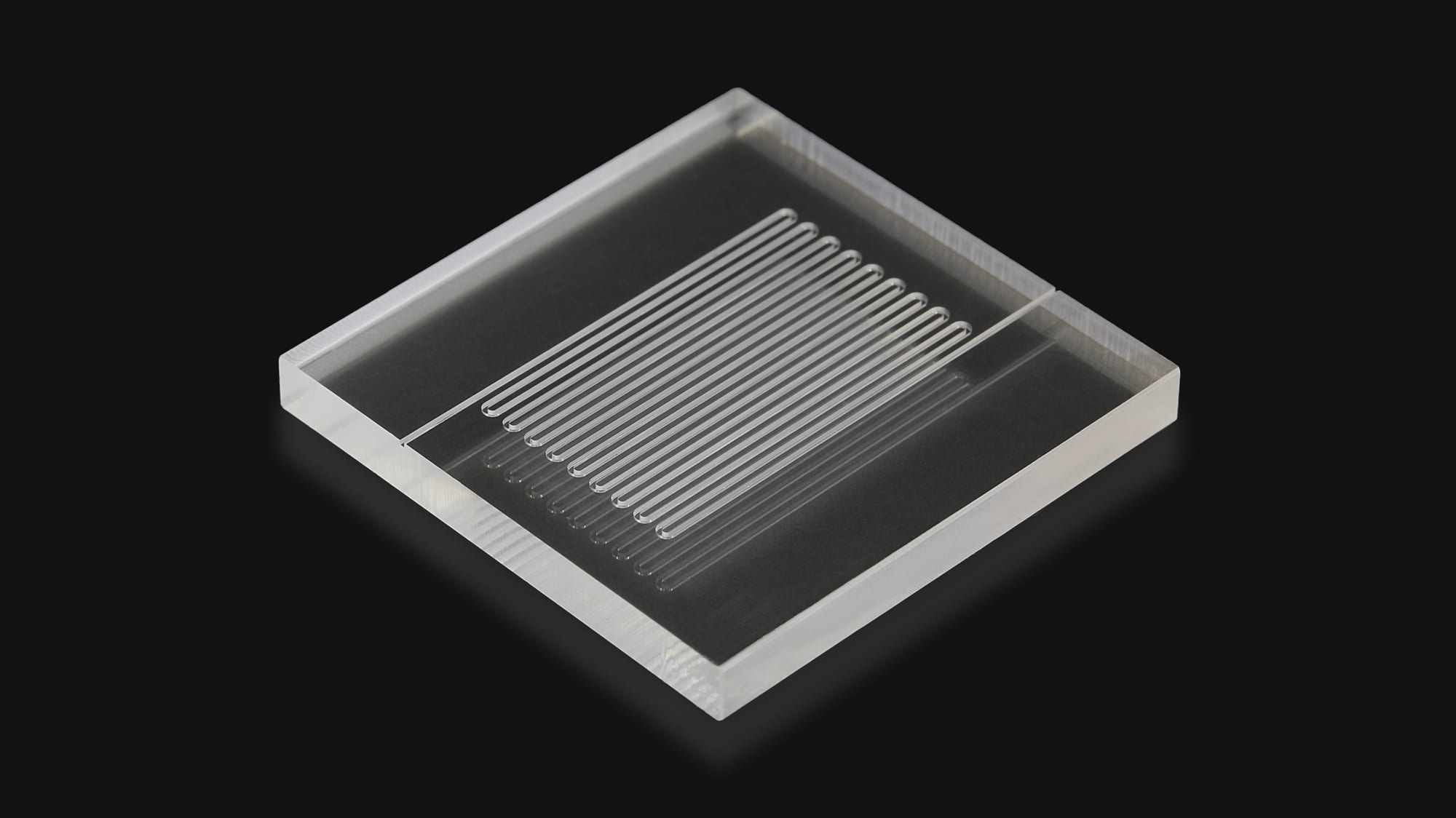
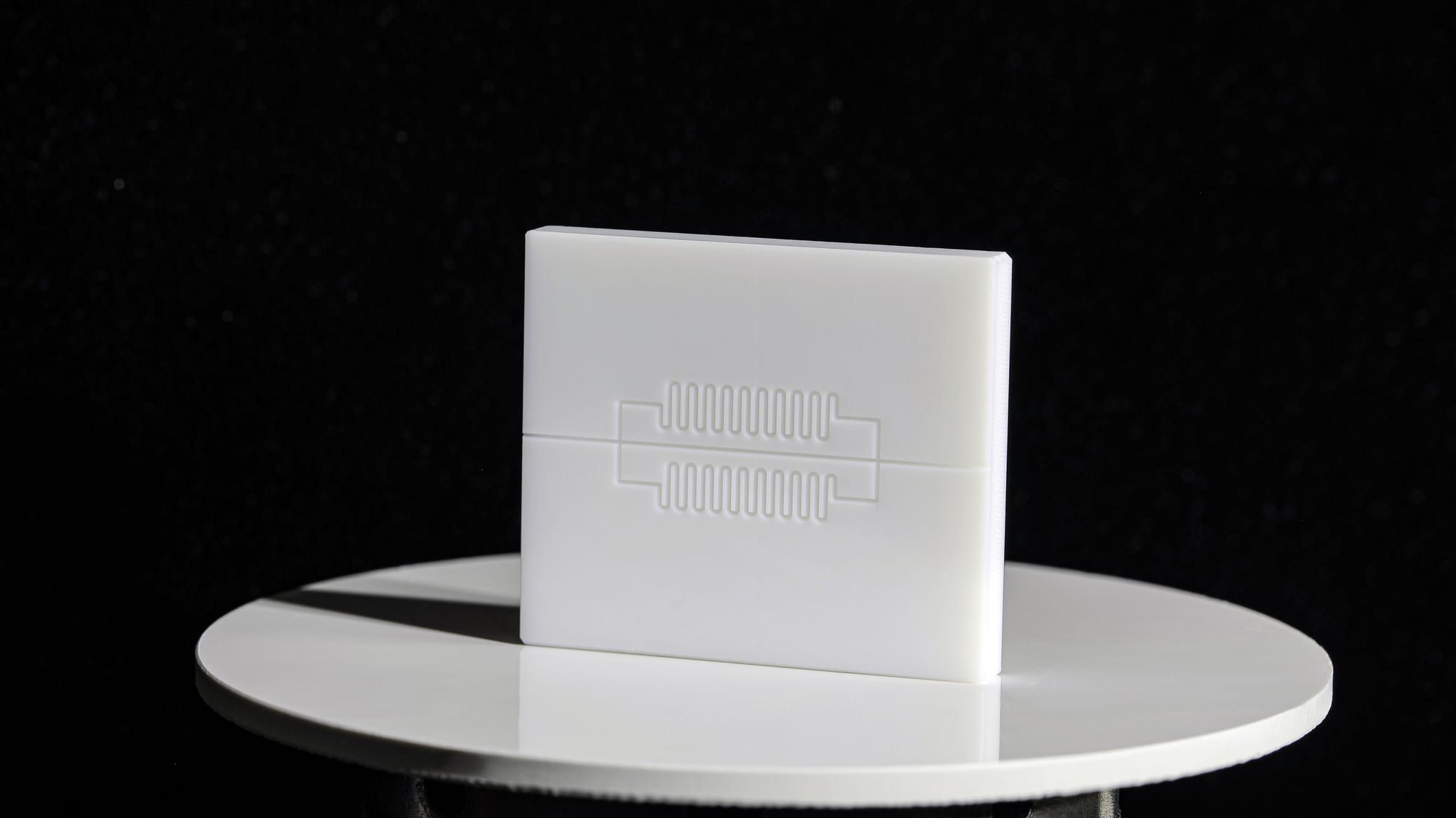
The fabrication of microfluidic devices involves machining channels of various shapes, widths, and depths using CNC machines. These devices are widely used in biology, medicine, and other scientific applications. A range of materials can be machined, from soft plastics and acrylic to glass.
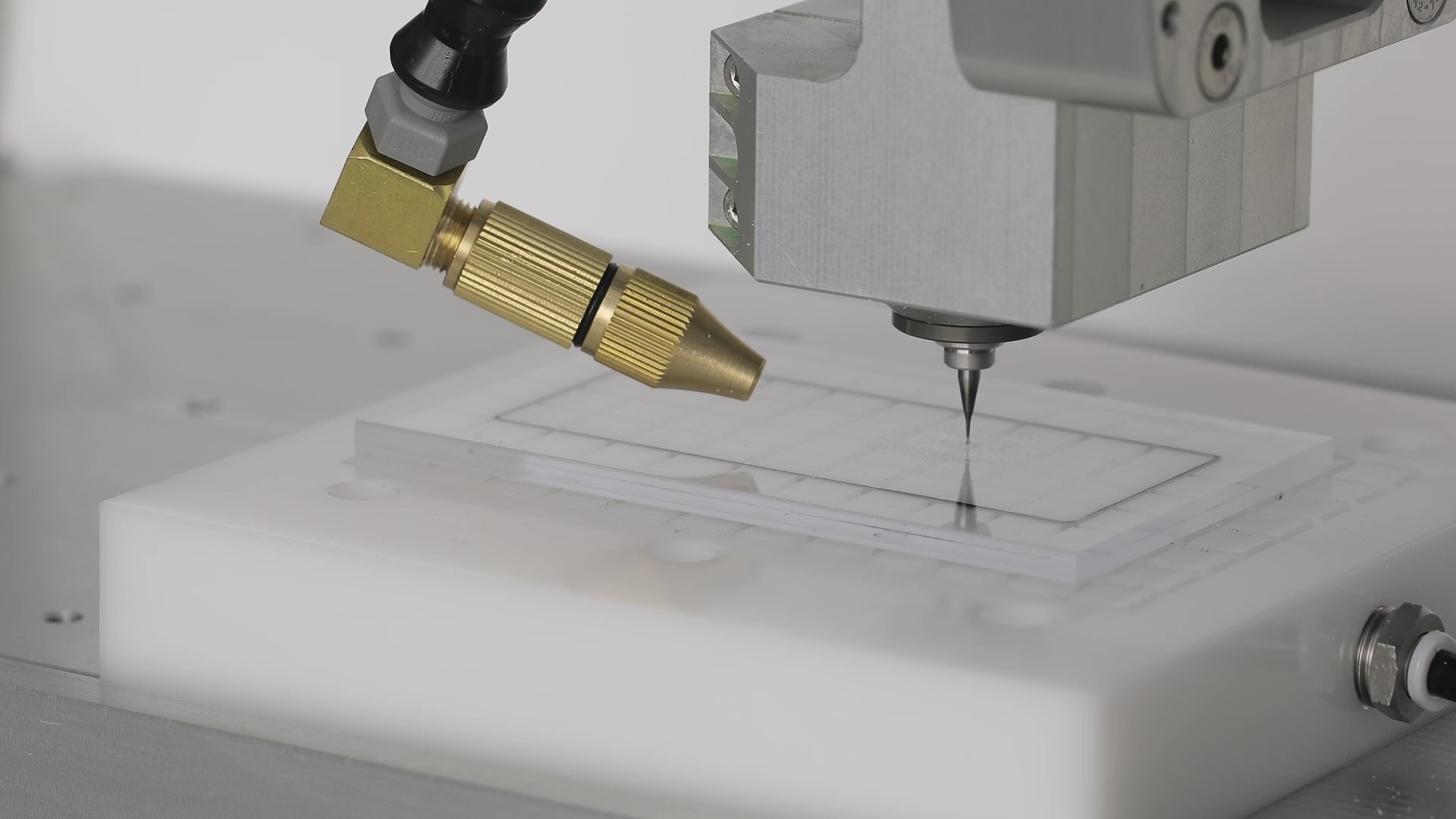
Microfluidic fabrication requires extremely high precision in both the channel geometry and depth. Machining channels in glass is particularly challenging and requires diamond-coated milling cutters, along with carefully controlled machining parameters.
A crucial aspect of the CNC machine business is supporting scientific research. For decades, our machines have been operating in various university laboratories, contributing to a wide range of projects and milling diverse materials using various cutters and machining strategies.
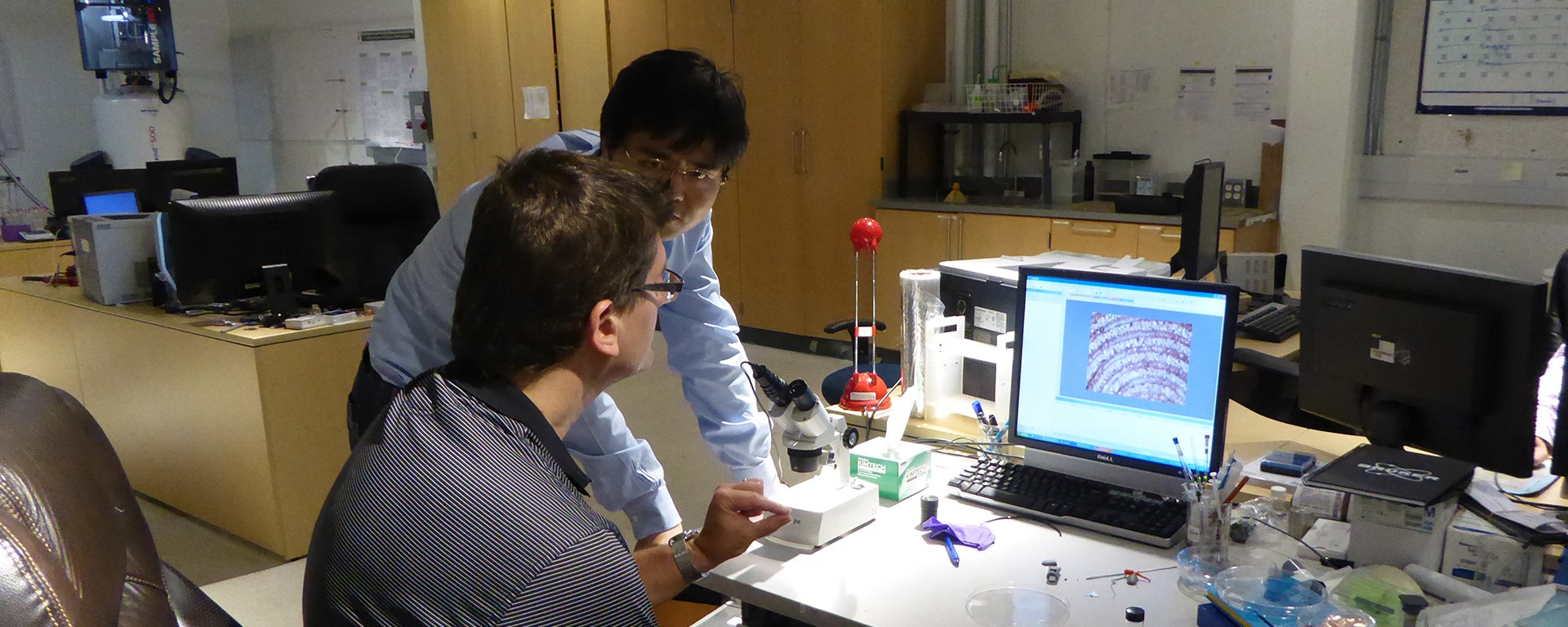
Professor Andre Simpson’s laboratory at the University of Toronto has been using several NS CNC milling machines - 4- and 5-axis, with spindles and laser - to fabricate NMR coils, resonators, and microfluidic components for published research.
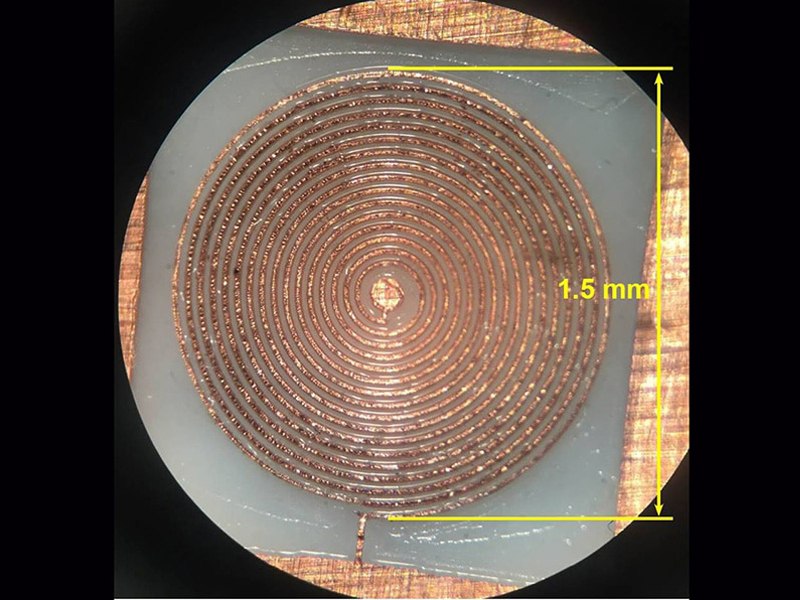
A 16-turn spiral coil with a 1.5 mm outer diameter was milled from Copper-coated Teflon.
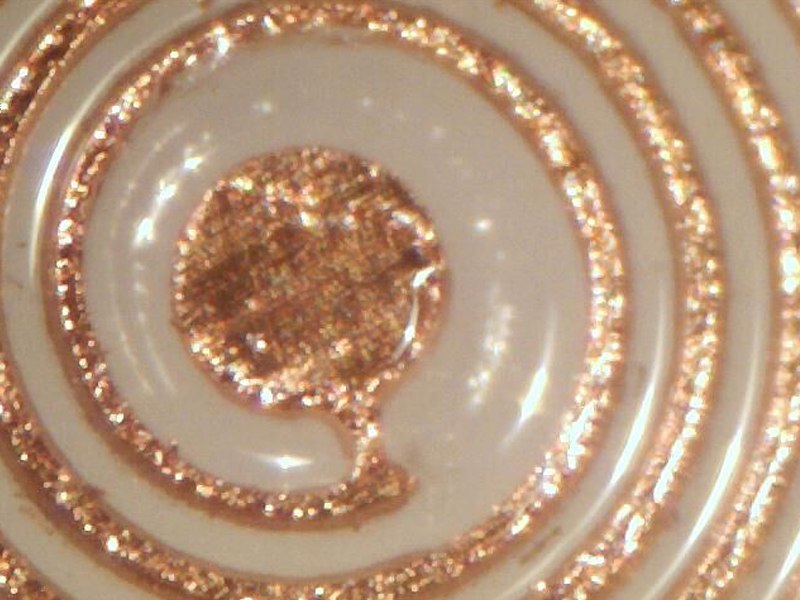
Both the turns/wires and the spacing between them are 0.02 mm wide.
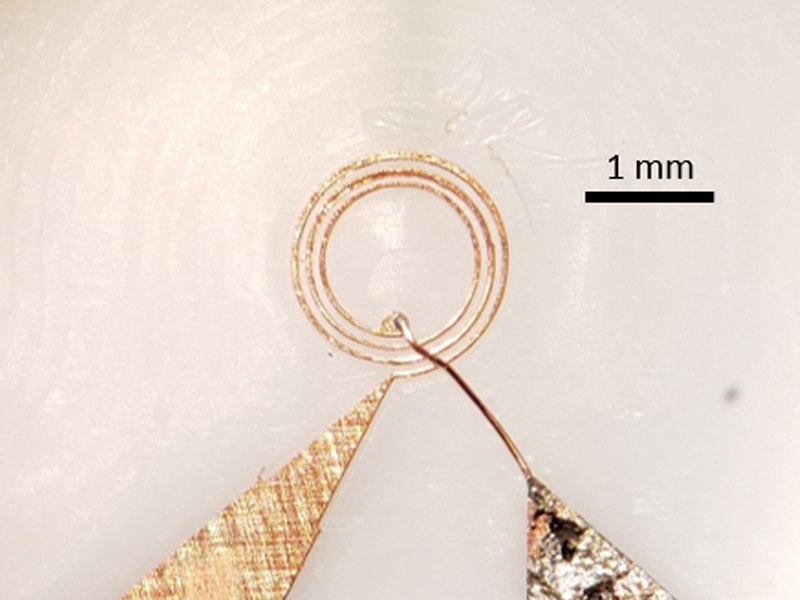
A 3-turn microcoil with a 1 mm inner diameter was milled from Copper-coated Teflon. Both the turns/wires and the spacing between them are 50 µm wide.
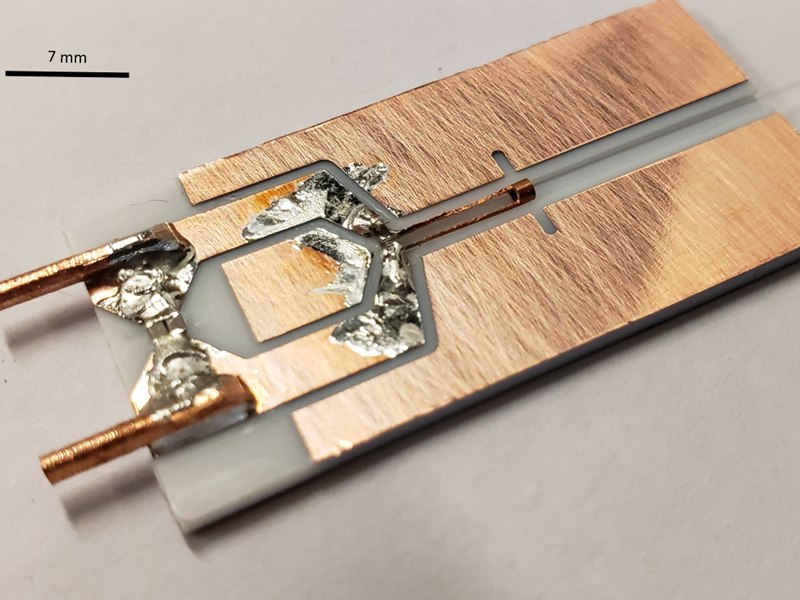
Slotted Tube Resonator milled from a copper pipe with an 1.270 mm outer diameter and an 0.813 mm inner diameter. Each strip is 7 mm long and is spaced 0.8 mm apart.
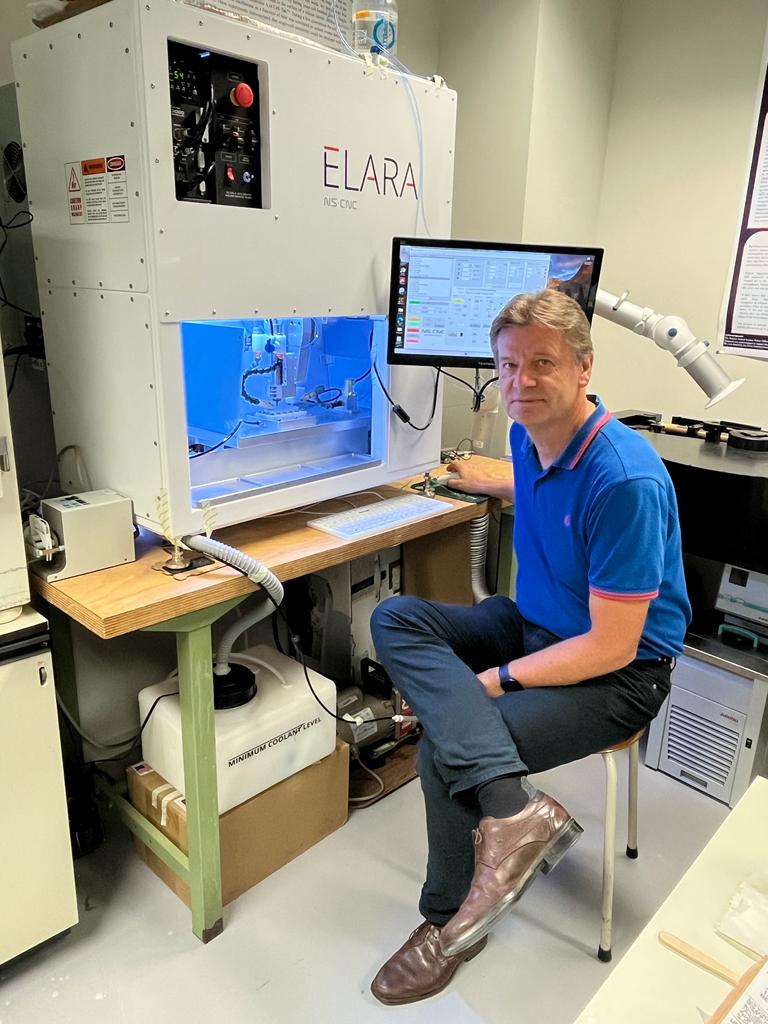
Professor Ronnie Willaert (Vrije Universiteit Brussel, Brussels, Belgium) specializes in yeast research (Saccharomyces cerevisiae, Candida albicans, and C. glabrata) and single-molecule biophysics.
His work covers optical nanomotion detection and biofabrication, including microfluidic-chip and micropattern development. He develops micro- and nanobiotechnological techniques to study bone and yeast cells in microgravity aboard the International Space Station, in research projects funded by the European Space Agency (ESA) and the Belgian Science Policy Office (Belspo).
Currently, he is using the CNC Elara (NS CNC) as a fast-prototyping method to optimize a microfluidic chip that will be used for the ESA project “FLUMIAS Yeast Nanomotion”, where yeast cellular nanomotion will be used to assess the effect of antifungals on the viability of yeast cells in space conditions (ISS).


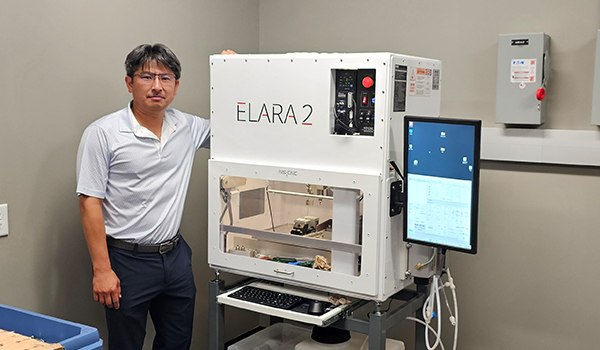
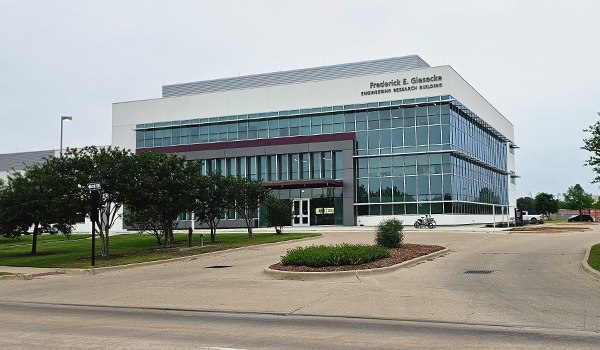
We are pleased to announce that another NS CNC Elara 2 machine has been successfully launched at the Engineering Experiment Station of Texas A&M University, where it will operate under the supervision of Professor Arum Han.
This installation marks another important milestone in our ongoing collaboration with leading research institutions. We are confident that the Elara 2 will serve as a valuable tool in advancing the station’s research capabilities, and we hope our machine will be of great help in supporting further scientific discoveries and innovations.
We extend our sincere thanks to Professor Han and the team at Texas A&M for their trust in our technology, and we look forward to seeing the breakthroughs that emerge from their work.
Pictured: Professor Arum Han next to the machine, as well as the Frederick E. Giesecke Engineering Research Building (GERB), where the NS CNC Elara 2 is housed.
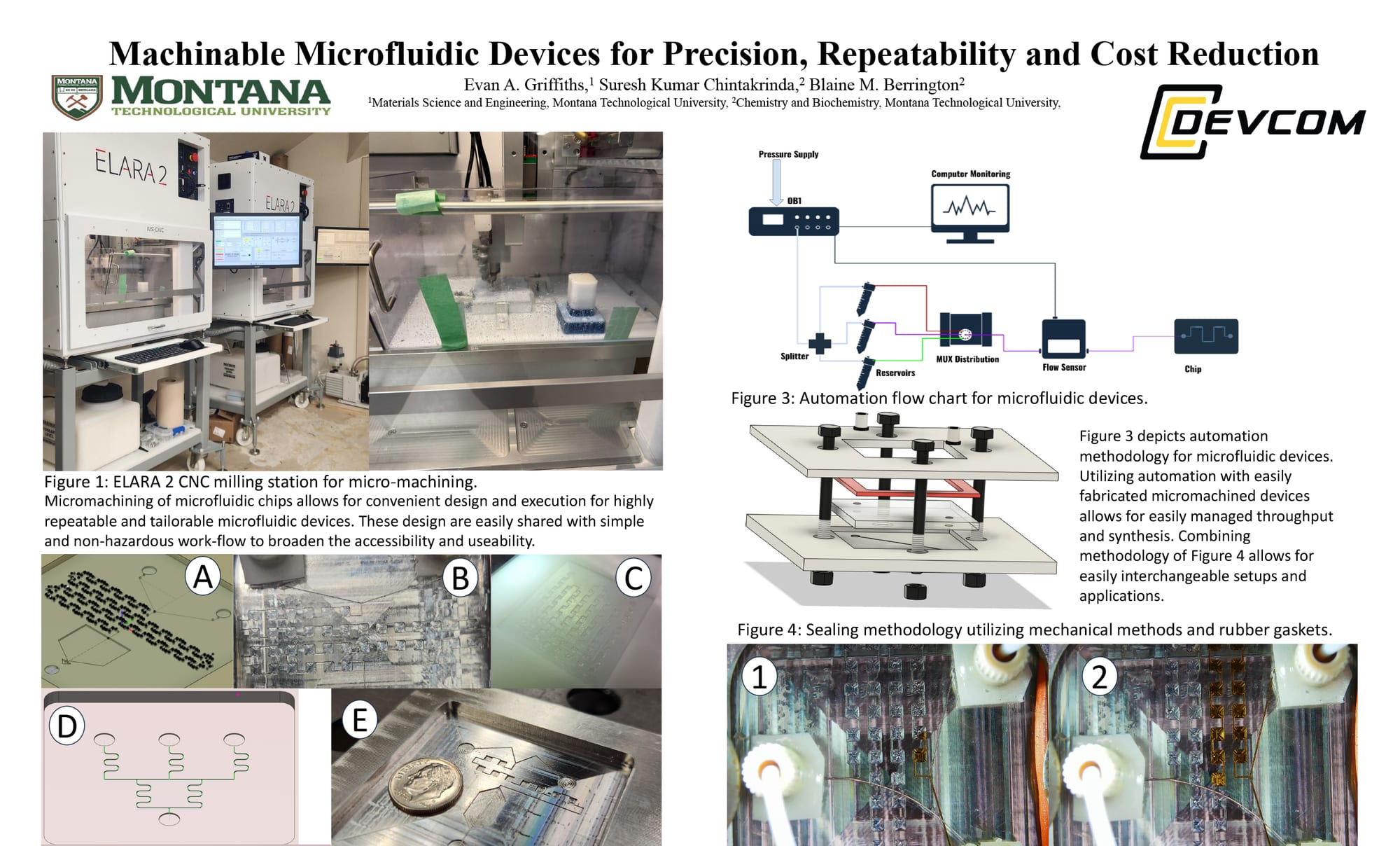
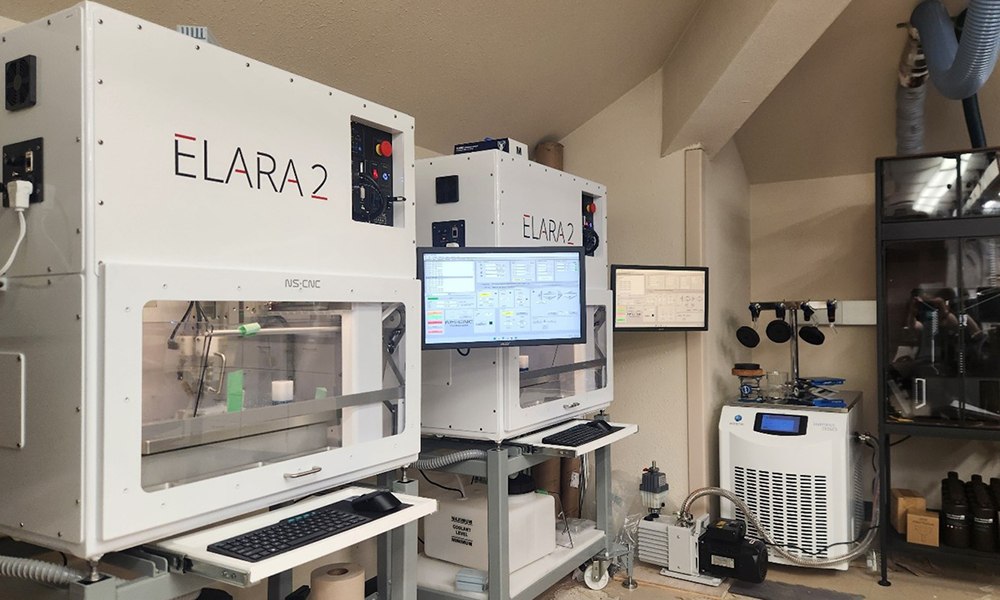
The Montana Technological University Chemistry Department has recently strengthened its research capabilities with the acquisition of two machines Elara 2 from NS CNC. These advanced systems will support the development of next-generation microfluidic technologies and enable new approaches in combinatorial chemistry. The machines were installed in the Chemistry and Biology Building in Dr. Blaine Berrington’s laboratory, where they will be used to tackle modern challenges in microfluidic technology development and combinatorial chemistry.
This investment reflects Montana Tech’s continued commitment to hands-on research, interdisciplinary collaboration, and the advancement of innovative technologies with real-world applications.
Machining demonstrations across NS CNC machines - milling, turning, and finished parts on camera.
Tell us what you need to fabricate - material, geometry, tolerances. We’ll tell you which machine fits, how we’d run it, and what it costs.
The 4- and 5-axis benchtop mills and lathes running in the laboratories on this page, each on its own page.